Importing
How to import products from China, step by step
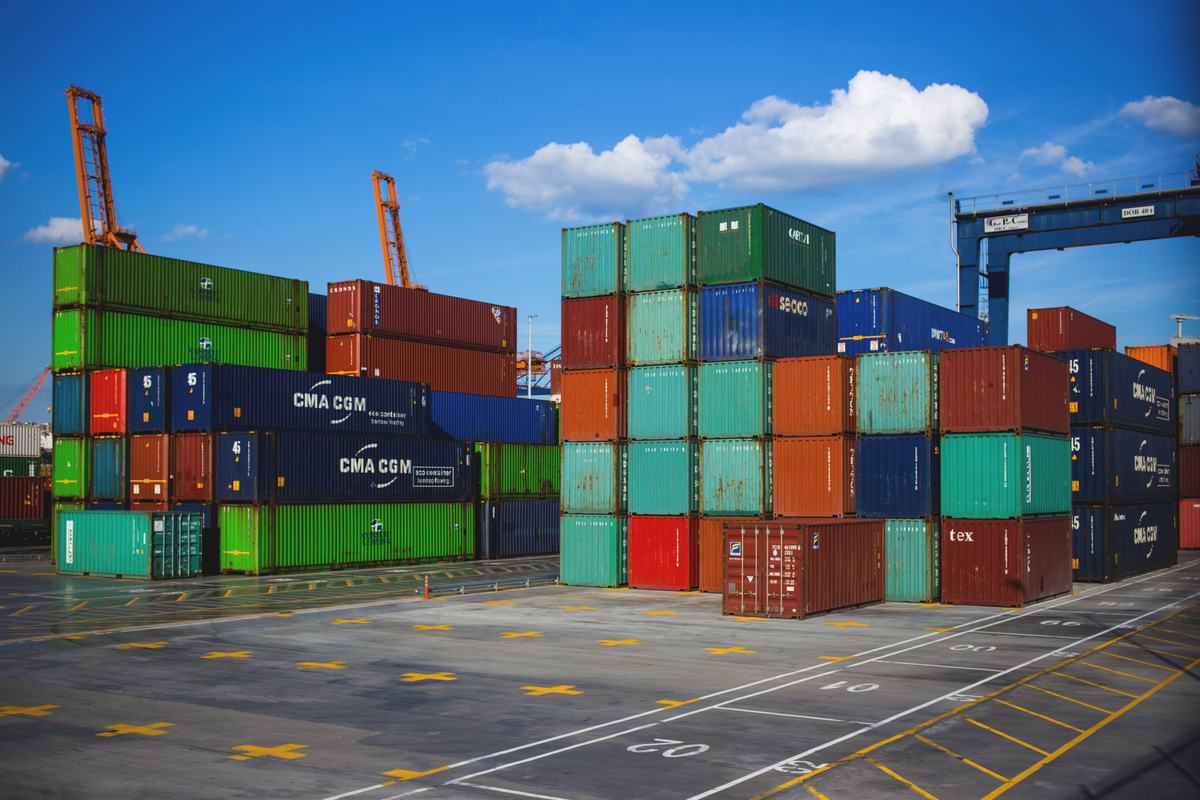
Importing from China is a well-established way to build a product catalog. It is also a process with many moving parts, and most problems come from skipped steps rather than bad luck. This overview covers the sequence we follow.
The import journey
1Define the product
2Quotes and samples
3Agree terms
4Production and inspection
5Book transport
6Clear customs
7Deliver to warehouse
Unit price+Freight+Duties and taxes+Insurance+Inspection and handling=Landed cost
- Define the product. Write a specification sheet with materials, dimensions, colors, packaging, labeling and any certifications the destination market requires. Clear specifications make quotes comparable and prevent disputes later.
- Request quotes and samples. Send the same specification to several suppliers. Compare unit price, minimum order quantity, lead time and payment terms, and order samples before committing to production.
- Agree on commercial terms. Confirm the Incoterm (for example FOB or EXW), who pays for each stage of transport, the payment schedule and what happens if the goods differ from the approved sample. Put everything in a written purchase order or contract.
- Control production and quality. Approve a pre-production sample, then arrange an independent inspection before the goods leave the factory. A problem found in China costs far less to fix than one found after delivery.
- Book transport. A freight forwarder arranges sea or air freight. Sea freight costs less per unit and takes longer. Air freight is faster and more expensive. Choose according to the value, size and urgency of the goods.
- Clear customs. Classify the product under the correct HS code, prepare the commercial invoice and packing list, and decide who acts as importer of record. A licensed customs broker usually handles the filing and the payment of duties and taxes.
- Deliver to the warehouse. Goods go to your own warehouse or straight to an Amazon fulfillment center, following Amazon's labeling and preparation requirements.
Duties, tariffs and import rules change often. Check current rates for your product and destination with a customs broker before you place an order.
Key takeawayLanded cost is the real price of a product: unit price plus freight, duties, insurance, inspection and handling. Calculate it before you order.